Embark on a journey of home improvement with Hanson Home Improvement DIY Tips and Expert Advice. Discover the secrets to enhancing your living space and unleashing your creativity through engaging projects and expert guidance.
Explore the world of DIY like never before as we delve into the intricacies of transforming your home with simple yet effective tips and techniques.
Hanson Home Improvement DIY Tips and Expert Advice
Embarking on DIY home improvement projects can be a rewarding experience, allowing you to personalize your living space and save money in the process. However, it is essential to approach these tasks with the right knowledge and precautions to ensure successful outcomes.
Benefits of DIY Home Improvement Projects
- Cost-effective: DIY projects can help you save money on labor costs, allowing you to invest more in materials and upgrades.
- Creative expression: DIY projects enable you to showcase your creativity and personal style in your home design.
- Sense of accomplishment: Completing a DIY project can boost your confidence and provide a sense of achievement.
Tips for Beginners Starting DIY Projects
- Start small: Begin with simple projects to build your skills and confidence before tackling more complex tasks.
- Research and plan: Take the time to research techniques and materials needed for your project to avoid costly mistakes.
- Seek expert advice: Don't hesitate to consult with professionals or experienced DIYers for guidance and tips.
Importance of Safety Measures in DIY Tasks
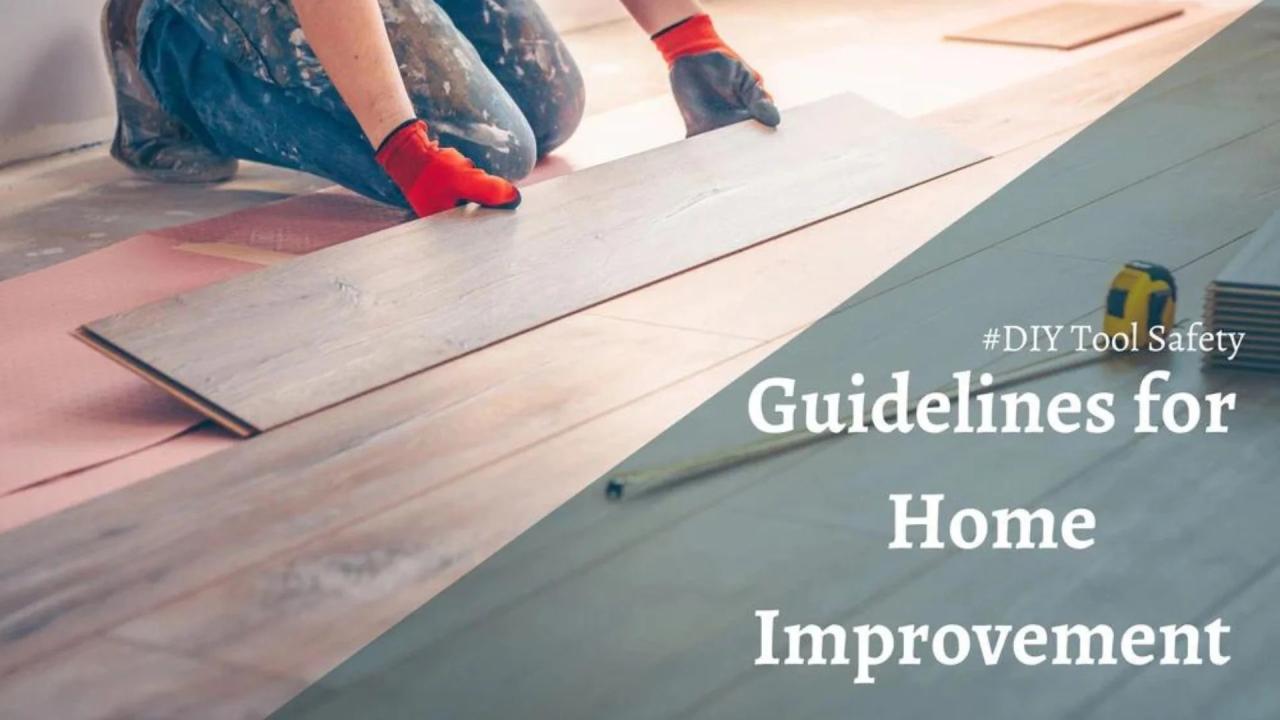
When engaging in DIY projects, safety should always be a top priority to prevent accidents and injuries. Here are some essential safety measures to follow:
- Wear protective gear: Use safety goggles, gloves, and appropriate clothing to protect yourself from hazards.
- Use tools correctly: Familiarize yourself with tools and equipment before use, and always follow manufacturer instructions.
- Work in a well-ventilated area: Ensure proper ventilation when working with paints, adhesives, or other chemicals to avoid respiratory issues.
Planning Your DIY Project
When embarking on a DIY home improvement project, proper planning is essential to ensure success and avoid costly mistakes. From choosing the right tools to setting a realistic budget, there are several key steps to consider before diving into your project.
Choosing the Right Tools
When planning your DIY project, it's important to identify the specific tools you will need based on the type of project you are undertaking. For example, a woodworking project may require different tools than a painting project. Make a list of all the necessary tools and materials before starting to ensure you have everything on hand.
Setting a Realistic Budget
Before starting any DIY project, it's crucial to establish a realistic budget to avoid overspending. Take into account the cost of materials, tools, and any professional help you may need. Consider setting aside a contingency fund for unexpected expenses that may arise during the project.
By planning your budget carefully, you can ensure that your DIY project stays on track financially.
Choosing the Right Materials
When embarking on a DIY home improvement project, one of the key factors that can make or break the success of your endeavor is the choice of materials. Selecting high-quality materials is crucial to ensure the durability, functionality, and overall aesthetic appeal of your project.
Essential Materials for Every DIY Enthusiast
- Measuring tape: A must-have for accurate measurements and cuts.
- Hammer: Essential for various tasks like driving nails and removing old fixtures.
- Screwdriver set: Needed for assembling furniture, fixing loose screws, and more.
- Safety goggles and gloves: Protect yourself from potential hazards during the project.
- Paintbrushes and rollers: For painting walls, furniture, and other surfaces.
Eco-Friendly Options for Home Improvement Projects
As sustainability becomes increasingly important in the construction and home improvement industry, eco-friendly options for materials are on the rise. Consider using the following environmentally friendly materials for your next project:
- Bamboo: A renewable resource that can be used for flooring, countertops, and more.
- Recycled glass: Ideal for countertops, tiles, and decorative elements in your home.
- Low-VOC paint: Contains fewer volatile organic compounds, reducing harmful emissions.
- Cork: A sustainable material for flooring, wall tiles, and insulation.
DIY Techniques and Skills
To successfully tackle DIY projects, it's important to have a good grasp of various techniques and skills. Whether you're painting a room, working on a woodworking project, or tiling a bathroom, mastering these basic skills can make a huge difference in the outcome of your projects.
Here, we'll explore some common DIY techniques and provide step-by-step guides for mastering them.
Painting
Painting is one of the most common DIY projects homeowners take on. Whether you're refreshing a room or adding a pop of color to your front door, painting is a skill worth mastering
- Clean and prep the surface you'll be painting.
- Use painter's tape to protect trim and edges.
- Prime the surface if needed.
- Apply paint evenly with a roller or brush.
- Allow paint to dry completely between coats.
Woodworking
Woodworking can be a rewarding DIY skill to learn, allowing you to create custom furniture or unique home decor pieces. Here are some steps to help you master basic woodworking skills:
- Choose the right type of wood for your project.
- Measure and cut wood accurately using a saw.
- Sand down rough edges for a smooth finish.
- Assemble pieces using wood glue and nails or screws.
- Finish with stain or paint for a polished look.
Tiling
Tiling is a great way to update a kitchen backsplash or bathroom floor. Here are some steps to help you become proficient in tiling:
- Prepare the surface by cleaning and smoothing it.
- Measure and mark where tiles will be placed.
- Apply thin-set mortar to the surface.
- Place tiles evenly, using spacers for consistency.
- Grout between tiles and wipe off excess grout.
Troubleshooting Common DIY Problems
When tackling a DIY project, it's common to encounter various issues along the way. Knowing how to troubleshoot these problems can save time, money, and frustration. Here are some tips for resolving common DIY mishaps without having to start over, as well as when it might be necessary to call in a professional for assistance.
Dealing with Uneven Surfaces
Sometimes, despite your best efforts, you may end up with uneven surfaces after painting, tiling, or installing flooring. To fix this issue, you can use self-leveling compound to even out the surface before proceeding with your project. Make sure to follow the manufacturer's instructions carefully to achieve the best results.
Fixing Misaligned Cuts
Misaligned cuts can occur when working with materials such as wood, tiles, or laminate. Instead of starting over, you can use wood filler or putty to fill in gaps or uneven edges. For tiles, consider using a tile spacer to maintain consistent spacing.
Sanding down rough edges can also help create a more seamless finish.
Resolving Paint Drips and Spills
Paint drips and spills are common mishaps during painting projects. To fix this issue, let the paint dry completely before lightly sanding the affected area. Once smooth, you can apply a touch-up coat of paint to blend the repaired area with the rest of the surface.
For spills, use a damp cloth to clean up the excess paint immediately to prevent it from drying and becoming harder to remove.
Knowing When to Call a Professional
While many DIY problems can be resolved with the right techniques, there are instances where it's best to seek professional help. If you encounter electrical issues, structural damage, or plumbing problems beyond your expertise, it's crucial to call in a licensed professional to ensure the safety and integrity of your project.
Knowing your limits and when to ask for help can ultimately save you time, money, and potential risks.
End of Discussion
In conclusion, Hanson Home Improvement DIY Tips and Expert Advice offer a gateway to a world of endless possibilities for creating the home of your dreams. With a blend of practical tips and expert insights, you're equipped to tackle any DIY project with confidence and flair.
Key Questions Answered
What are the benefits of DIY home improvement projects?
DIY projects allow you to personalize your space, save money, and gain a sense of accomplishment.
How can beginners start with DIY projects?
Beginners should start with small projects, gather necessary tools, and follow step-by-step guides.
When is it necessary to call in a professional for help during a DIY project?
If a project involves complex electrical or plumbing work, it's best to seek professional assistance for safety.